TONGLU HOMESTAY GUIDE
Tonglu Homestay Guide: Plan Your First Night on the Trail
Tonglu is a well-known overnight stop on the Sandakphu–Phalut trekking route in the Darjeeling hills. Book ahead to rest and enjoy a warm meal after your first day on the trail. Bring warm layers, rain protection and drinking water; mountain weather changes quickly.
Room-and-meal packages start at ₹1,200 per person per day: ₹1,200 for an attic room and ₹1,500 for a room with an attached washroom. Confirm your room, dates and meal details on WhatsApp before booking.
Before you book
- Check room availability for your dates and confirm the number of guests.
- Confirm which meals are included, arrival time and payment terms.
- Check current local requirements for routes, permits and guides.
- Prepare for cold at altitude and limited network connectivity.
Enquire with Raju Homestay ↗TREK ROUTE
Tonglu to Sandakphu: Route, Stops and Preparation
Tonglu is a popular stop on the Sandakphu–Phalut trek. Many continue toward Sandakphu via Tumling, Gairibas and Kalapokhri; routes and overnight stops depend on your itinerary and local conditions. Phalut requires extra days and preparation.
Confirm current trail conditions, weather, permits and accommodation with a local guide or the relevant authorities. Take breaks at your own pace and carry enough water and warm layers.
WHEN TO VISIT
When Is the Best Time to Visit Tonglu?
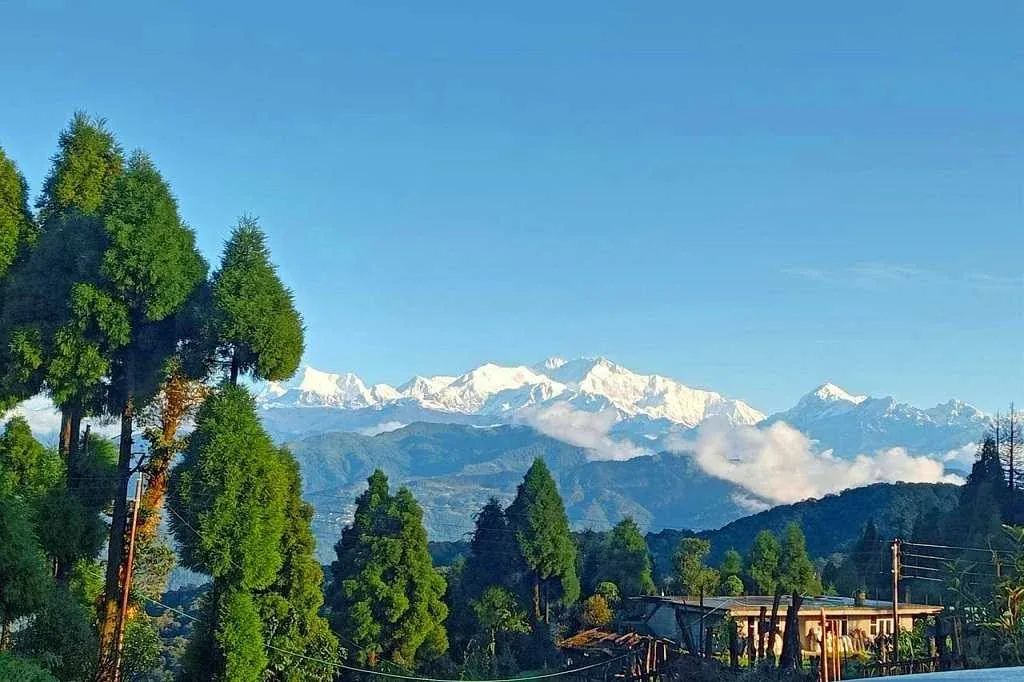
Clear mountain views are more likely outside the monsoon. Spring rhododendrons and distant peaks on autumn and winter mornings attract visitors. Weather at altitude is unpredictable and can change quickly.
Check local weather and road conditions before your trip. Bring gloves, a warm hat and extra layers for cold mornings. Seasonal views cannot be guaranteed.
HOW TO REACH
How to Reach Tonglu from NJP or Bagdogra
New Jalpaiguri (NJP) and Bagdogra are common gateways for Tonglu. Travellers typically drive toward Manebhanjan or Dhotrey and start walking according to their chosen route. The approach depends on your itinerary, local transport and current restrictions.
Confirm the route and driving time with your driver or local trek operator. Weather, road conditions and traffic can affect travel in the hills.
CHOOSING YOUR STOP
Tonglu or Tumling: Where Should You Stay?
Tonglu and Tumling are both well-known stops on the Sandakphu trek. Choose based on your walking plan, route, accommodation and weather. There is no single best choice for every trekker.
Choose based on your first-day distance, next destination and room availability with meals. Raju Homestay is in Tonglu; see room details and rates Rooms & Packages .
SHORT TREK
Dhotrey to Tonglu: Planning a Short Trek
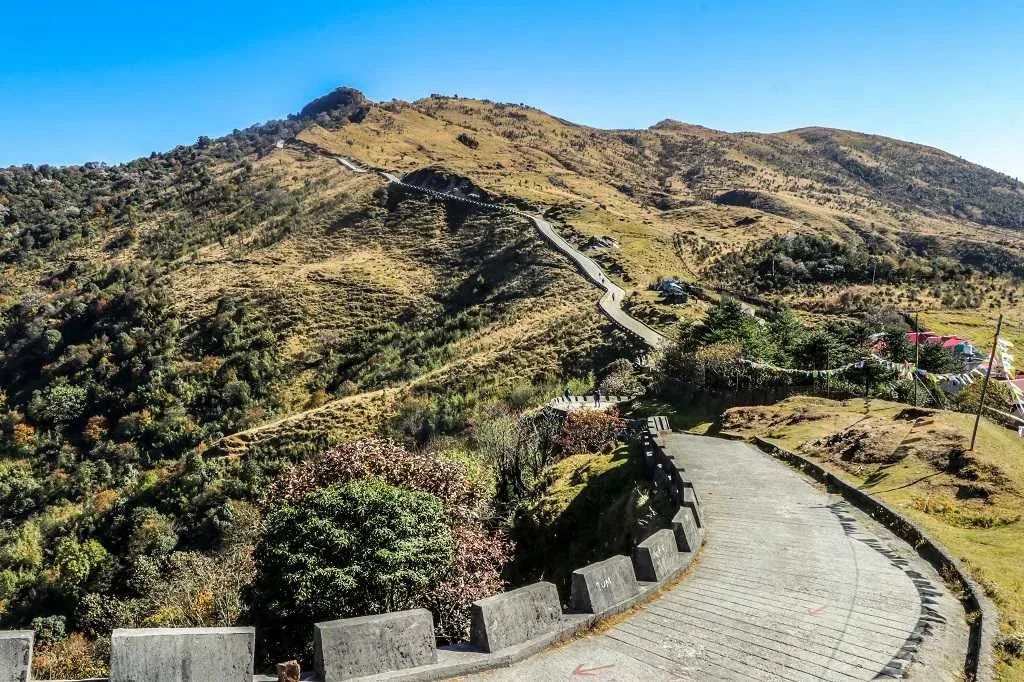
Dhotrey is a known access point for the Sandakphu route and a common starting point for walking to Tonglu. Timing depends on your pace, weather and trail conditions. Choose a route that suits your fitness, altitude experience and luggage.
Ask a local guide for advice, adjust plans if the weather turns, and allow plenty of time for the walk.
PLACES NEAR TONGLU
Chitrey: A Quiet Mountain Stop on the Sandakphu Trek
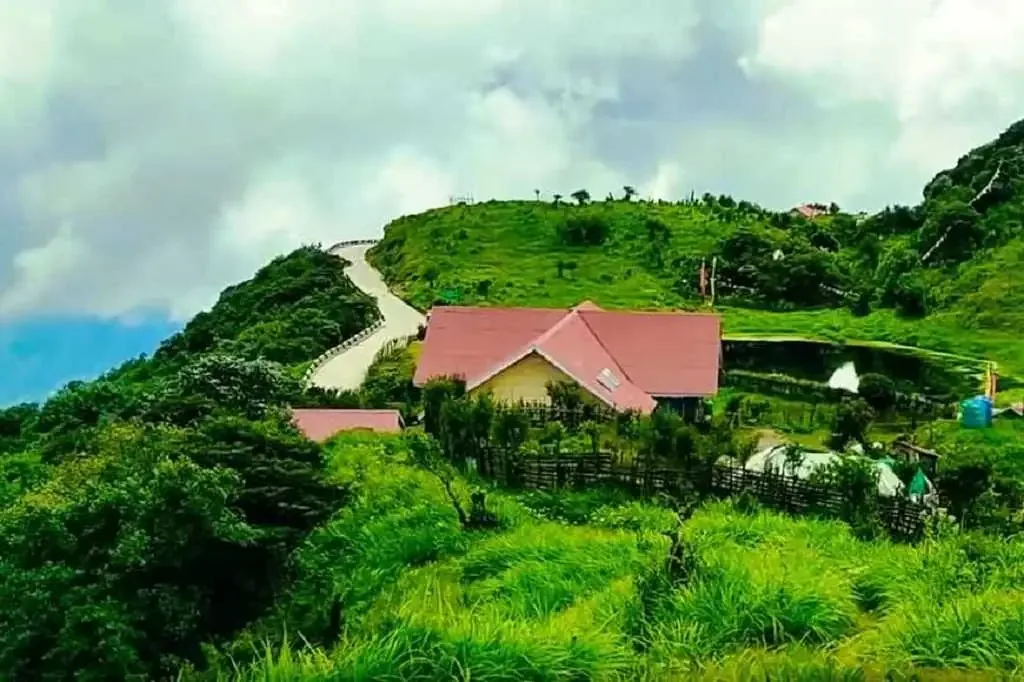
Chitrey is a small mountain settlement along the Sandakphu–Phalut route. Trekkers pass through on the way toward Tonglu or Tumling. Green slopes and a quiet trail define this stop. Confirm route details locally.
PLACES NEAR TONGLU
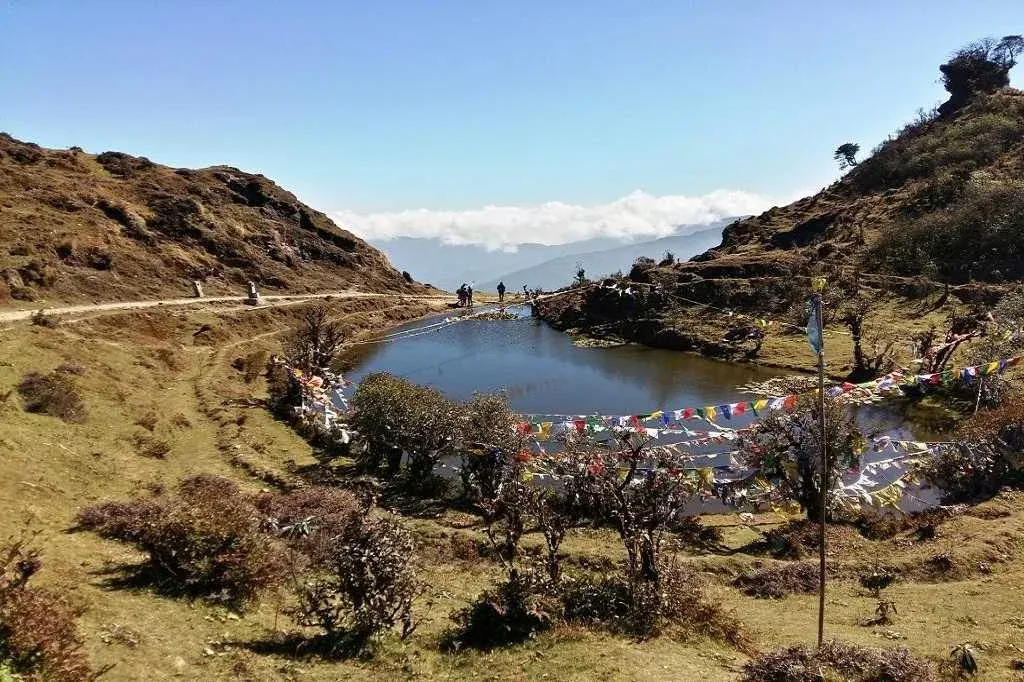
Kalapokhri: A Mountain Lake on the Sandakphu Route
Kalapokhri is a well-known high-altitude trek stop; its name means “black lake.” It lies farther along the Sandakphu route. Plan your trail and overnight stops around local conditions.
THE SUMMIT VIEW
Sandakphu: The Summit and Himalayan Views
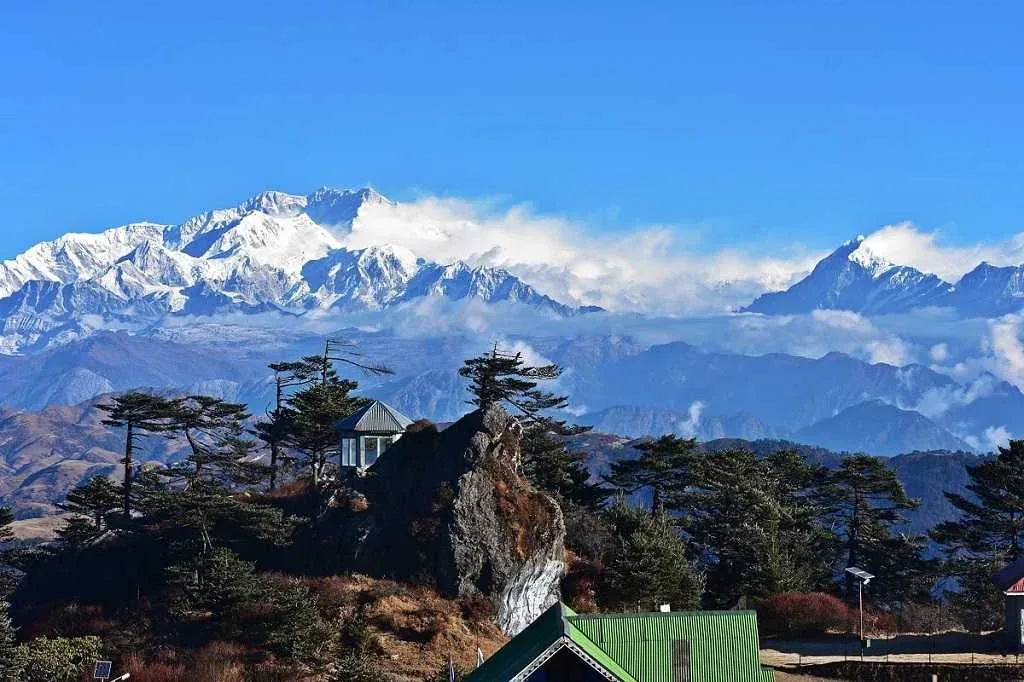
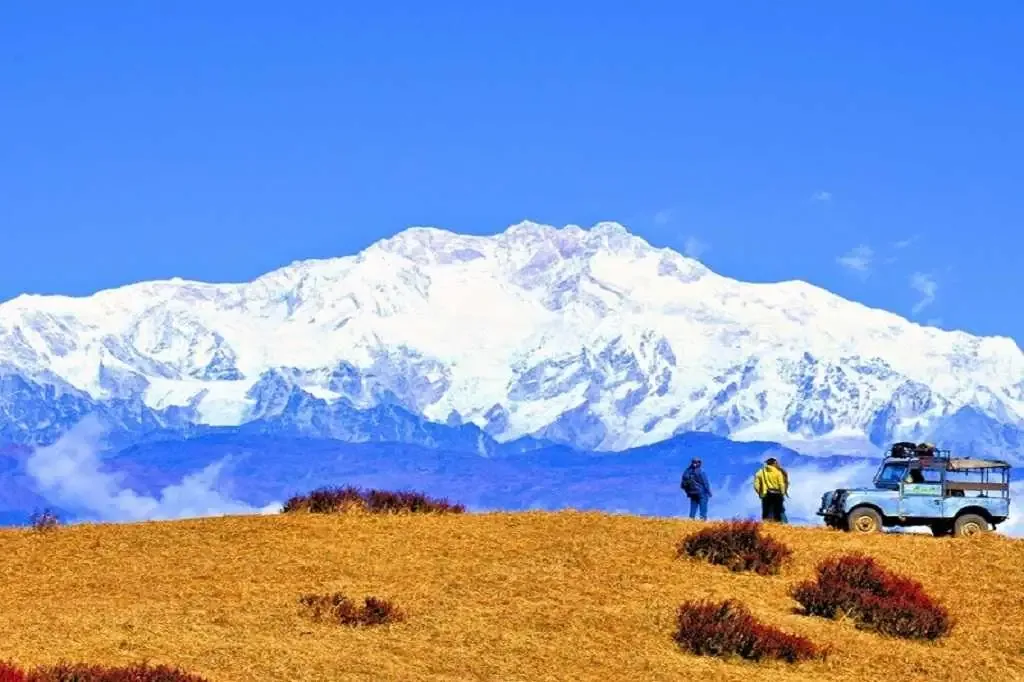
Sandakphu is a popular high-altitude destination in the Singalila region. On clear days, Himalayan views including Kanchenjunga may appear; clouds can obscure them. Walk safely and follow local guidance.
FURTHER ALONG THE RIDGE
Phalut: A Further Journey Beyond Sandakphu
Phalut is another destination on the Sandakphu–Phalut trek. It takes extra time, route planning and weather preparation. Do not treat it as an easy day trip from Tonglu; plan your trek and overnight stops with local expertise.
TONGLU PACKING GUIDE
What to Wear in Tonglu: Clothes for Every Season
Tonglu sits high on the Sandakphu trail, where wind, rain, cloud and temperature can change quickly. Pack layers you can add or remove, and check the local forecast shortly before departure. Conditions vary by year and by day, so do not rely on a season name alone.
Cold months and winter
For cold-weather trips, carry a thermal base layer, a warm fleece or wool mid-layer, and a windproof insulated outer jacket. Add a warm hat, gloves, a neck warmer, thick socks and sturdy shoes with good grip. Pack a spare dry layer for the evening and keep clothing in a waterproof bag.
Spring and autumn
Use a light base layer with a fleece or sweater and a windproof shell. Mornings and evenings can feel much colder than a sunny afternoon. A compact warm jacket and one extra pair of socks are useful even when daytime weather is mild.
Rainy or monsoon conditions
Bring a waterproof jacket, rain trousers or gaiters, quick-drying layers, a rain cover for your pack and waterproof bags for spare clothes and electronics. Avoid cotton as your only layer because it can stay wet and cold. Choose footwear with grip and carry dry socks.
Simple packing checklist
- Thermal top and bottom for cold nights.
- Fleece or wool layer plus a warm, windproof jacket.
- Waterproof shell, pack cover and dry bags.
- Warm hat, gloves, neck warmer and spare socks.
- Comfortable trekking shoes with reliable grip.
- Lightweight clothes for walking and a dry change for the homestay.
Pack for warmth, wind and rain rather than bringing many heavy outfits. Ask your host about current conditions and what is available locally before you travel.
RESPONSIBLE MOUNTAIN TRAVEL
Things to Do and Avoid in Tonglu
A thoughtful visit helps keep the trail comfortable for local residents, fellow trekkers and wildlife. Tonglu is a remote mountain stop; plan simply, follow local advice and leave extra time for weather or route changes.
What to do
- Book your stay and confirm room, meal package, arrival time and payment details in advance.
- Check current trail, permit, guide and transport requirements with local authorities or your host.
- Carry drinking water, essential medicines, a charged phone, a power bank and some cash.
- Walk at a steady pace, take breaks and tell someone your route and expected arrival time.
- Keep to marked or locally advised paths, respect park rules, and give animals plenty of space.
- Carry your waste back, keep noise low and ask before photographing people or private property.
- Be considerate about limited electricity, water and network availability in a high-altitude settlement.
What to avoid
- Do not litter, leave food scraps or burn rubbish on the trail.
- Do not feed, chase or approach wildlife, or pick plants and flowers.
- Do not leave the route or enter restricted areas without local guidance.
- Do not assume mobile signal, hot water, electricity or clear mountain views will always be available.
- Do not start a long walk late in the day or continue into unsafe weather just to keep a schedule.
- Do not play loud music or disturb other guests and nearby residents.
Weather, access and local rules can change. Confirm current guidance before setting out and follow instructions from local hosts, guides and park staff.